
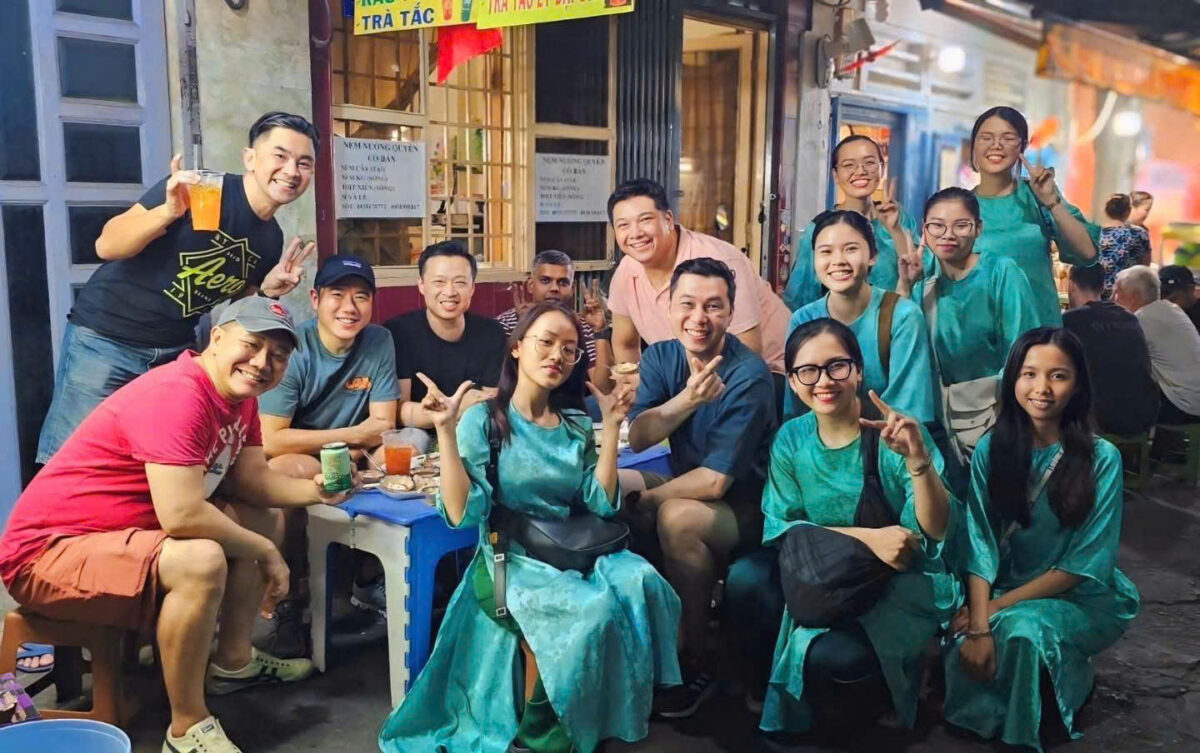
Saigon Full-Day Private Car Tour – War Remnants, Historic Streets, Local Stories & Hidden Heritage Led by Women
Discover the deeper stories of Ho Chi Minh City on a Saigon Full-Day Private Car Tour Led by Women, combining Vietnam’s modern history with lesser-known cultural sites, historic neighborhoods and everyday local life.
This private journey is designed for travelers who want to understand Saigon beyond its famous landmarks.
Travel comfortably by private car between important historical sites, quiet streets, old neighborhoods, memorials, local markets and cultural corners that reveal how the city has changed through different periods of Vietnamese history.
The day explores the city through several layers:
War History → Colonial Saigon → Post-War Change → Local Neighborhoods → Hidden Heritage → Contemporary Life.
Rather than focusing on a single historical attraction, the itinerary connects different places and stories to create a broader understanding of Saigon and modern Vietnam.
With Vietnam Women Travel – Premium Private Tours Led by Women, your Vietnamese female guide accompanies you throughout the day, explaining historical events from a local perspective while connecting them with the people and places you see today.
A Different Saigon Historical Experience
Saigon’s history cannot be understood through one museum or one monument.
The city has experienced colonial rule, war, reunification, economic transformation and rapid modernization.
Evidence of these periods remains visible throughout the city.
Historic government buildings stand beside modern towers.
Old residential neighborhoods survive behind commercial streets.
Memorials sit within ordinary communities.
Traditional markets continue operating near newly developed districts.
This tour brings these different layers together.
The experience is designed around stories and connections, not simply landmark collecting.
Saigon Full-Day Private Car Tour Itinerary
Part 1: Private Hotel Pickup
Your Vietnamese female guide and private driver pick you up from your hotel in Saigon in the morning.
Travel comfortably by private car as your guide introduces the history and geography of Ho Chi Minh City.
Before reaching the first historical site, learn how Saigon developed from a regional trading center into one of Southeast Asia’s most dynamic cities.
The private car allows you to move efficiently between different parts of the city while avoiding the fatigue of traveling entirely on foot.
Part 2: Independence Palace – A Turning Point in Vietnamese History
Begin the historical journey at Independence Palace, one of the most important political landmarks in modern Vietnam.
Explore the former presidential complex and learn about its role during the Republic of Vietnam period and the events surrounding the end of the war in 1975.
Your guide explains the significance of the building’s architecture, underground facilities and political history.
Rather than simply viewing the palace as an architectural attraction, the visit provides context for one of the defining turning points in modern Vietnamese history.
Part 3: Historic Streets Around the Palace
After the palace, take a short drive through the surrounding historic district.
See how government buildings, churches, colonial structures and modern commercial developments exist side by side.
Your guide explains how the central area changed through different political and economic periods.
This short drive helps connect the palace with the broader urban landscape.
Part 4: War Remnants Museum
Continue to the War Remnants Museum, one of the city’s most significant historical museums.
Explore the exhibitions documenting the Vietnam War and its consequences.
The displays include photographs, military equipment, historical documents and personal stories.
Your female guide provides context and helps explain difficult historical subjects in a balanced and respectful manner.
The museum can be emotionally powerful.
Visitors are given time to explore at their own pace and ask questions.
Part 5: Personal Stories Behind the History
Rather than treating the war purely as a political event, your guide helps connect major historical developments with everyday Vietnamese experiences.
Learn about:
- Families separated by war
- Changes to Vietnamese communities
- Life during wartime
- Post-war challenges
- Migration
- Economic rebuilding
- Social transformation
These personal stories provide another way to understand Vietnam’s recent history.
Part 6: Old Saigon Residential Streets
Leave the main tourist district and drive through older residential neighborhoods.
Some parts of Saigon retain narrow streets, aging homes, old balconies and family-run businesses that have survived decades of change.
Your guide points out architectural details and explains how urban families have adapted their homes to changing lifestyles.
The contrast between these neighborhoods and the modern city center is striking.
Part 7: A Hidden Local Market
Stop at a neighborhood market away from the main tourist routes.
The market provides a glimpse into everyday shopping in Saigon.
Observe stalls selling:
- Fresh vegetables
- Meat
- Seafood
- Herbs
- Tropical fruit
- Prepared food
- Household items
- Local snacks
Your guide introduces ingredients and explains how they are used in Vietnamese cooking.
This is a more intimate market experience than visiting a major tourist shopping destination.
Part 8: Local Coffee & City Conversations
Take a break at a traditional Vietnamese café.
Enjoy a local coffee or tea while watching the neighborhood around you.
Your guide can explain how cafés function as informal social spaces in Saigon.
People meet friends, discuss business, read newspapers, work on laptops or simply watch the traffic.
The coffee stop provides a relaxed transition from historical sightseeing to contemporary city life.
Part 9: Saigon’s Religious Heritage
Continue to a lesser-known religious or cultural site.
Depending on the day’s route and local access, this may be a Buddhist temple, historic church or neighborhood shrine.
Your guide explains how different religious traditions have contributed to Saigon’s identity.
The focus is on understanding the relationship between religion, family and community rather than simply photographing the architecture.
Part 10: Hidden Architectural Details
Drive through selected historic streets where older architecture remains visible.
Look for:
- Old balconies
- Decorative façades
- Narrow townhouses
- Traditional shopfronts
- Historic villas
- Courtyard homes
- Converted colonial buildings
Your guide explains how architecture reflects changes in wealth, family structure and urban development.
These details are easy to miss when traveling through the city on a standard sightseeing itinerary.
Part 11: Local Lunch
Stop at a carefully selected local restaurant for lunch.
Enjoy Vietnamese cuisine in a comfortable and clean environment.
Depending on the restaurant, the meal may include:
- Southern Vietnamese specialties
- Fresh vegetables
- Vietnamese noodles
- Grilled meats
- Fish
- Tofu
- Seasonal soup
- Fresh herbs
- Steamed rice
- Local desserts
Your guide introduces the dishes and explains the regional influences behind Saigon’s food culture.
Lunch is intentionally relaxed rather than rushed.
Part 12: Post-War Saigon
After lunch, continue exploring neighborhoods that illustrate Saigon’s transformation after 1975.
Your guide explains how the city rebuilt its economy and gradually developed into Vietnam’s largest commercial center.
Observe the contrast between older residential communities and newer commercial developments.
The city itself becomes a visual timeline.
Part 13: Hidden Community Streets
Drive into a quieter neighborhood and explore selected streets at a slow pace.
You may see:
- Family businesses
- Local cafés
- Small workshops
- Neighborhood food stalls
- Apartment buildings
- Traditional homes
- Children returning from school
- Residents gathering outside their homes
These ordinary scenes help reveal the contemporary city behind the major attractions.
Part 14: Local Food Stop
Take a short stop at a reputable local food establishment.
Depending on your preferences, sample one or two typical Saigon snacks or small dishes.
Possible options may include:
- Fresh spring rolls
- Savory pancakes
- Vietnamese noodles
- Grilled snacks
- Local desserts
- Tropical fruit
- Traditional drinks
Your guide can explain how these foods fit into everyday life.
Food hygiene and freshly prepared ingredients are prioritized.
Part 15: Historic Riverfront Perspective
Continue toward the Saigon River area.
The river played an important role in the city’s development as a trading and commercial center.
From selected viewpoints, observe the contrast between historic neighborhoods and the modern skyline.
Your guide explains how river transportation, trade and urban expansion influenced the growth of Saigon.
Part 16: Modern Saigon
Return toward the central districts and experience the modern side of the city.
See contemporary office towers, hotels, shopping areas and new developments.
The contrast with the historic buildings and residential streets visited earlier illustrates how rapidly Saigon has changed.
Your guide discusses the city’s economic growth and its role in modern Vietnam.
Part 17: Final Local Neighborhood Drive
Before returning to your hotel, take a final drive through a local district.
This section is intentionally flexible.
Depending on your interests, the route can emphasize:
- Architecture
- Food
- Local markets
- Photography
- Religious heritage
- Residential neighborhoods
- Coffee culture
Because this is a private tour, the experience can be adjusted during the day.
Part 18: Return to Your Hotel
Your private car takes you back to your hotel after a full day exploring Saigon’s history and contemporary life.
The journey finishes with a more complete understanding of the city — not only the places that appear in guidebooks, but also the neighborhoods and people that continue shaping it.
Saigon War History
The history of modern Saigon is inseparable from the Vietnam War.
But understanding that history requires more than visiting one museum.
Political decisions, military events, family experiences and social changes all shaped the city.
Your female guide provides historical context while allowing space for discussion and personal reflection.
The goal is education and understanding rather than political debate.
Independence Palace
Independence Palace represents one of the most significant political chapters in modern Vietnamese history.
The building’s rooms, architecture and underground areas provide a physical connection to the events of 1975.
Your guide explains the building’s role before and during the final period of the war and its place in contemporary Vietnamese memory.
War Remnants Museum
The War Remnants Museum provides extensive documentation of the Vietnam War and its consequences.
Photographs, documents, military equipment and personal stories illustrate the human impact of the conflict.
Because some exhibitions can be emotionally difficult, your guide provides context and allows you to explore at a comfortable pace.
Saigon’s Hidden Heritage
Not every important historical site is a major attraction.
Some stories survive in:
- Old houses
- Small temples
- Residential streets
- Local markets
- Historic cafés
- Family businesses
- Neighborhood churches
These places help reveal how history continues to exist within ordinary city life.
Saigon’s Residential Architecture
One of the most interesting aspects of the city is its mixture of architectural periods.
French colonial villas can stand beside narrow Vietnamese townhouses.
Older apartments sit close to modern towers.
Family homes may contain shops, cafés or workshops.
Your guide explains how these buildings reflect changing lifestyles and economic conditions.
Local Markets
A neighborhood market provides a direct view of daily life.
Instead of souvenirs, the focus is on food and household necessities.
The market reveals what local families buy, cook and eat.
Your guide can explain unfamiliar ingredients and introduce traditional Vietnamese shopping customs.
Saigon Coffee Culture
Coffee is an important part of the city’s social life.
A café can be a meeting place, workplace, social club and observation point all at once.
Taking time to sit in a local café allows you to experience Saigon at a slower pace.
Saigon Food Culture
Ho Chi Minh City has one of Vietnam’s most diverse food scenes.
Southern flavors combine with influences from central and northern Vietnam as well as Chinese, French and other culinary traditions.
The tour introduces this diversity through carefully selected local dining stops.
What Makes This Private Car Tour Different?
This itinerary is intentionally different from the Jeep tours.
The Mekong Jeep Tour focuses on waterways, orchards and rural villages.
The Cu Chi Jeep Tour focuses on tunnels, wartime history and countryside.
The Saigon Jeep City Tour focuses on Cholon, markets, colonial architecture and urban exploration.
This private car tour takes a broader historical approach.
Its central theme is:
War History + Political Heritage + Hidden Historical Sites + Local Neighborhoods + Modern Saigon.
The complete journey is:
Hotel → Independence Palace → Historic District → War Remnants Museum → Residential Streets → Local Market → Coffee Stop → Religious Heritage → Hidden Architecture → Local Lunch → Post-War Neighborhoods → Local Food → Saigon River → Modern City → Local District → Hotel.
The experience combines:
- Modern Vietnamese history
- War history
- Independence Palace
- War Remnants Museum
- Historic streets
- Hidden heritage
- Local markets
- Religious culture
- Residential neighborhoods
- Vietnamese coffee
- Local cuisine
- Saigon River
- Modern urban development
- Private car
- Women-led guiding
Vietnam Women Travel – Premium Private Tours Led By Women
Vietnam Women Travel – Premium Private Tours Led by Women creates private experiences that connect travelers with Vietnam’s history, culture and contemporary communities.
Our tours are private tours led by women, not women-only tours.
Your Vietnamese female guide accompanies you throughout the day and explains the city’s history from a local perspective.
She can help connect major historical events with everyday life, architecture, food and the experiences of Vietnamese families.
The private format also gives you time to ask questions and explore subjects that interest you most.
Comfortable Private Car Experience
The private car is particularly suitable for travelers who want to explore a large city comfortably.
Instead of spending the entire day walking in the tropical heat, travel between districts in an air-conditioned vehicle.
The itinerary combines sightseeing from the car with selected walking stops.
This allows you to experience more of Saigon without making the day physically exhausting.
Who Is This Saigon Private Car Tour For?
This experience is ideal for:
- Couples
- Families
- Friends
- History enthusiasts
- First-time visitors
- Returning visitors
- Architecture lovers
- Culture travelers
- Photography enthusiasts
- Travelers interested in modern Vietnam
- Travelers interested in war history
- Travelers who prefer comfortable transportation
- Private travelers
- Guests seeking private tours led by women
Book Your Saigon Full-Day Private Car Tour
If you are searching for a Saigon private car tour that combines war history, hidden heritage and contemporary local life, this full-day experience offers a deeper way to understand Ho Chi Minh City.
Visit important historical sites, explore lesser-known neighborhoods, discover local markets, experience Vietnamese coffee and cuisine, and see how the city has transformed from wartime Saigon into modern Ho Chi Minh City.
With Vietnam Women Travel – Premium Private Tours Led by Women, the journey goes beyond the standard sightseeing route.
Explore the history, meet the city behind the landmarks, discover hidden stories and experience Saigon through the perspective of a Vietnamese woman who knows its past and present.