
Hanoi Jeep Food Tour: Best Local Dishes to Try
A Hanoi Jeep Food Tour is one of the most exciting ways to discover the culinary side of Vietnam’s capital. Instead of sitting in one restaurant for an entire meal, you travel through Hanoi in an open-air Jeep, stopping at local eateries, street-food stalls, markets, and hidden food spots to taste several different specialties.
Hanoi’s food culture is deeply connected to its streets and neighborhoods. Famous dishes such as Phở, Bún Chả, Bánh Cuốn, Bánh Mì, Chả Cá, Phở Cuốn, and Egg Coffee are among the foods visitors commonly seek out, while smaller snacks and regional specialties can add even more variety to a food tour.
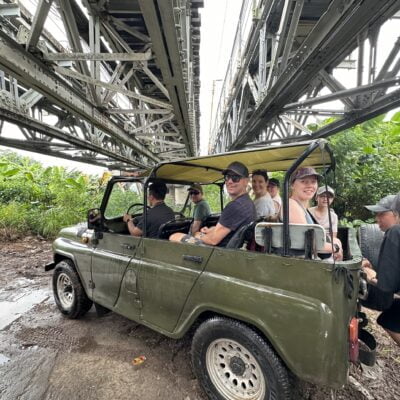
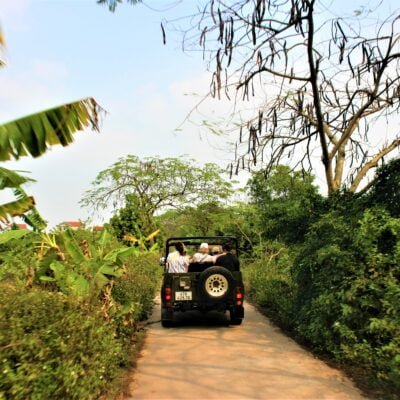
A Jeep Food Tour adds another dimension because the journey between dishes is part of the experience. You can ride through the Old Quarter, French Quarter, hidden alleys, local markets, Train Street, Long Bien Bridge, West Lake, and other parts of Hanoi while learning about the food and culture from a local guide.
Why Choose a Hanoi Jeep Food Tour?
Hanoi is a city where food is closely connected to everyday life. Small restaurants and sidewalk kitchens can specialize in one particular dish, while busy streets become dining areas in the evening.
A Jeep Food Tour allows you to move between different neighborhoods instead of remaining in one location. You can see how Hanoi changes from one street to another and understand the relationship between local food, architecture, markets, and daily life.
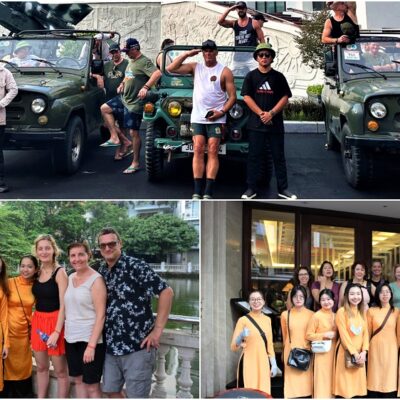
Current Hanoi food-tour programs highlight local female guides, family-run eateries, street-food stalls, markets, hidden neighborhoods, and traditional dishes such as Phở, Bún Chả, Bánh Cuốn, Egg Coffee, and fresh spring rolls.
Bún Chả
Bún Chả is one of the most important dishes to try during a Hanoi food tour.
The dish combines grilled pork, rice vermicelli, fresh herbs, vegetables, and a sweet-savory dipping broth. The pork is traditionally grilled over charcoal, giving it a smoky aroma that makes the dish immediately recognizable.
Bún Chả is particularly enjoyable when eaten at a small local restaurant where you can watch the pork being grilled.
It is also one of the dishes most strongly associated with Hanoi’s culinary identity.
Phở Bò
No Hanoi food experience would be complete without Phở Bò, Vietnamese beef noodle soup.
A traditional bowl combines rice noodles, beef, aromatic broth, herbs, and other fresh ingredients. Hanoi-style phở is known for its relatively clear and fragrant broth, making it different from many versions found outside northern Vietnam.
Phở is often associated with breakfast, but a food tour can introduce you to the dish at different times of day depending on the itinerary.
For first-time visitors, Phở Bò is one of the essential dishes to experience in Hanoi.
Bánh Cuốn
Bánh Cuốn consists of delicate steamed rice sheets filled with savory ingredients such as minced pork and wood-ear mushrooms.
The rice sheets are extremely thin and soft, and they are usually served with dipping sauce, herbs, and fried shallots.
Part of the appeal is watching the cook prepare the rice sheets fresh in front of you. This makes Bánh Cuốn both a food experience and a small lesson in traditional Vietnamese cooking.
Bánh Cuốn is particularly associated with Hanoi’s breakfast culture, although it can be enjoyed at other times as well.
Bánh Mì
Vietnamese Bánh Mì is one of the country’s most internationally recognized street foods.
A crisp baguette is filled with ingredients such as pâté, Vietnamese cold cuts, grilled meat, pickled vegetables, cucumber, herbs, chili, and sauces.
The combination reflects Vietnam’s culinary history while remaining unmistakably Vietnamese.
Because Bánh Mì is relatively small and easy to share, it works particularly well as one stop among many during a Jeep Food Tour. Current Hanoi food guides consistently include it among the city’s essential street foods.
Phở Cuốn
Phở Cuốn offers a lighter alternative to traditional Phở.
Instead of serving rice noodles in broth, wide fresh rice sheets are wrapped around beef, herbs, and vegetables and served with a dipping sauce.
The texture is fresh and soft, while the herbs provide a refreshing contrast to the savory filling.
It is a particularly good dish for travelers who want to taste Hanoi’s noodle culture without having another bowl of soup.
Chả Cá
Chả Cá is another Hanoi specialty that deserves a place on a serious food itinerary.
The dish features fish cooked with turmeric, dill, spring onions, herbs, and other ingredients. The combination creates a distinctive flavor that is strongly associated with Hanoi.
Some versions are prepared and served hot at the table, making the experience particularly enjoyable for travelers interested in both Vietnamese cuisine and cooking traditions.
Current Hanoi food guides identify Chả Cá as one of the capital’s signature specialties.
Bún Thang
For travelers looking for a more delicate traditional Hanoi dish, Bún Thang is worth trying.
This noodle soup can include shredded chicken, egg, Vietnamese pork sausage, herbs, and a carefully prepared broth.
It is more intricate than many everyday noodle dishes and reflects Hanoi’s traditional culinary style.
Bún Riêu
Bún Riêu is a flavorful noodle soup with a tomato-based broth and crab-based ingredients.
Depending on the version, it may include tofu, herbs, pork, snails, or other toppings.
The balance between sour, savory, and fresh flavors makes it an interesting contrast to Phở.
It is also a good choice for travelers who want to explore Vietnamese noodle soups beyond the country’s most famous dish.
Xôi
Xôi, or Vietnamese sticky rice, is another traditional food that can appear during a Hanoi food adventure.
Sticky rice can be served with mung bean, fried shallots, meat, sausage, or other toppings depending on the style.
It is filling and flavorful, so a small portion is usually enough when you are already sampling several dishes.
Nem Rán
Nem Rán, Vietnamese fried spring rolls, are a popular savory snack.
The crispy exterior contrasts with a filling that can include pork, mushrooms, noodles, and vegetables.
They are best eaten immediately while they are still hot and crispy.
For visitors new to Vietnamese food, Nem Rán is one of the easiest dishes to enjoy.
Fresh Spring Rolls
Fresh spring rolls provide a lighter option during a food tour.
Rice paper is wrapped around herbs, vegetables, noodles, shrimp, pork, or other fillings and served with dipping sauce.
The fresh herbs and vegetables make them a refreshing contrast to grilled and fried dishes.
Current Hanoi food-tour programs include fresh spring rolls among their featured local specialties.
Bánh Tôm
Bánh Tôm is a crispy Vietnamese shrimp cake associated with Hanoi.
Shrimp is combined with a light batter and fried until crisp, creating a snack that works particularly well with fresh herbs and dipping sauce.
It is an excellent choice for travelers who enjoy seafood and want to try something different from Phở or Bún Chả.
Nem Chua Rán
For travelers who enjoy snacks, Nem Chua Rán is worth trying.
These fried fermented-pork snacks are crispy on the outside and chewy inside and are especially popular among young Vietnamese diners.
They are often eaten as a casual evening snack with friends.
A Hanoi night food tour can be a good opportunity to discover this side of local street-food culture rather than focusing exclusively on traditional main dishes.
Vietnamese Grilled Food
Hanoi’s evening streets can become filled with the aroma of charcoal grills.
You may encounter grilled meat, seafood, vegetables, sausages, corn, and skewers depending on the neighborhood and season.
The cooking process itself is part of the experience. Watching food being prepared directly over charcoal gives visitors a much better understanding of Hanoi’s street-food culture than simply ordering a dish from a menu.
Snails and Seafood
For adventurous travelers, ốc, or Vietnamese snail dishes, can provide a completely different food experience.
Snails and shellfish may be steamed, grilled, fried, or cooked with garlic, chili, lemongrass, tamarind, or other sauces.
These foods are particularly popular as evening snacks and are often enjoyed socially.
If you have a seafood or shellfish allergy, make sure your guide knows before the tour begins.
Vietnamese Egg Coffee
A Hanoi Jeep Food Tour should ideally finish with something sweet, and Vietnamese Egg Coffee is one of the most memorable choices.
Egg Coffee combines strong Vietnamese coffee with a rich whipped egg mixture, producing a creamy texture that is closer to a dessert than a conventional cup of coffee.
The drink has become one of Hanoi’s best-known culinary specialties, and current food guides identify it as a signature Hanoi experience.
After several savory dishes, sitting down in a small Hanoi café with an Egg Coffee can be the perfect way to finish the food adventure.
Vietnamese Sweet Soup
Chè is a broad category of Vietnamese sweet desserts that can include beans, fruit, jelly, coconut milk, and other ingredients.
Different versions vary considerably, so trying Chè can be a fun way to finish a meal.
It is especially enjoyable during Hanoi’s warmer months.
Bia Hơi and Hanoi Night Food Culture
For adult travelers who drink alcohol, Bia Hơi, or fresh draft beer, is closely connected with Hanoi’s informal evening food culture.
Small glasses of beer are traditionally enjoyed at sidewalk establishments alongside snacks and casual meals.
It is optional, of course, and travelers who do not drink can simply choose coffee, tea, juice, or another non-alcoholic beverage.
Hanoi Old Quarter: The Best Place to Start
The Old Quarter is one of the most convenient places to experience Hanoi’s street-food culture.
Different streets and neighborhoods have developed reputations for particular dishes, and the area contains a dense concentration of small restaurants, food stalls, cafés, and markets.
A Jeep allows you to move through this environment without spending the entire tour on foot.
You can stop to eat, get back into the Jeep, continue sightseeing, and then stop again somewhere completely different.
Food and Hidden Hanoi
One of the most valuable aspects of a Jeep Food Tour is discovering places that are easy to miss.
Some local eateries are located inside small alleys, residential neighborhoods, or streets without obvious tourist signage.
Your guide’s local knowledge can help you understand what you are eating, how it is traditionally prepared, and why the dish is important to Hanoi.
This creates a much more meaningful experience than simply visiting famous restaurants.
Food and Hanoi’s Local Markets
Markets are another important part of the experience.
You can see where local ingredients come from, observe vendors preparing food, and understand how Vietnamese families shop for everyday meals.
The combination of market visits and food tastings gives travelers a better understanding of Hanoi’s culinary ecosystem.
Why Take a Jeep Instead of a Walking Food Tour?
Walking food tours are excellent for exploring a concentrated part of the Old Quarter.
However, a Jeep Food Tour allows you to cover much more ground.
You can combine food with sightseeing and visit several different parts of Hanoi during the same experience.
One moment you may be eating Bánh Cuốn in a local neighborhood, and shortly afterward you could be crossing Long Bien Bridge or riding beside West Lake.
That combination of food, transportation, sightseeing, and local culture is what makes the Jeep experience different.
Why Take a Jeep Instead of a Private Car?
A private car offers greater protection from weather and usually provides air conditioning.
A Jeep offers atmosphere.
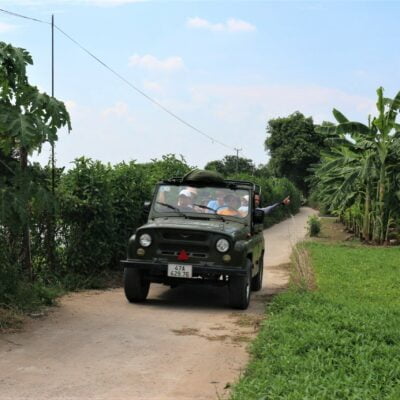
You can feel the evening breeze, hear the city, smell food as you pass restaurants, see people on the sidewalks, and experience Hanoi directly.
For travelers who want the journey to be part of the adventure, an open-air Jeep is a much more immersive option.
What to Expect on a Hanoi Jeep Food Tour
A typical food-focused Jeep experience lasts around 3.5–4 hours, although exact duration depends on the itinerary. Current Hanoi food-tour products include evening experiences around 6:00 PM–9:30 PM and provide food tastings and drinks.
The current Hanoi Jeep food-tour concept can also combine food with major sights such as the Old Quarter, Train Street, Long Bien Bridge, Ho Chi Minh Mausoleum area, West Lake, and other landmarks.
You should expect several smaller tastings rather than one enormous meal.
The purpose is to experience variety.
How Much Food Will You Eat?
A good food tour is about tasting many different flavors rather than eating a huge portion of one dish.
You may start with something light, move to grilled meat or noodles, continue with snacks, and finish with coffee or dessert.
This approach allows you to try more dishes without becoming uncomfortably full halfway through the tour.
Can Vegetarians Join?
Yes, vegetarian travelers can generally join a Hanoi food tour, but dietary requirements should be communicated in advance.
Vietnamese cuisine offers many vegetarian dishes involving tofu, mushrooms, vegetables, noodles, rice, and herbs.
However, fish sauce and shrimp paste can appear in dishes that otherwise look vegetarian, so be specific about your dietary requirements.
If you are vegan, the guide should know before the tour so appropriate food stops can be arranged.
What About Food Allergies?
Food allergies should always be communicated before departure.
Common concerns can include peanuts, shellfish, seafood, eggs, dairy, gluten, and fish sauce.
Your guide can then help communicate with food vendors and identify suitable dishes.
Is Hanoi Street Food Safe?
Food safety is an important part of choosing a food tour.
A knowledgeable local guide can help select established eateries and food vendors where ingredients have good turnover and dishes are prepared fresh.
One useful principle when exploring street food independently is to look for busy places with local customers and freshly prepared food. Current Hanoi street-food guides similarly recommend choosing busy stalls and specialist vendors with high turnover.
Travelers with serious allergies should take additional precautions and communicate clearly with their guide.
Best Time for a Hanoi Jeep Food Tour
For a food-focused experience, evening is particularly attractive because Hanoi’s street-food culture becomes very lively after sunset.
The current evening food-tour schedule offered by one Hanoi Jeep operator runs approximately 6:00 PM–9:30 PM, while other itineraries may start earlier or later depending on the route.
An evening departure allows you to combine dinner, street food, Old Quarter nightlife, illuminated landmarks, and local cafés.
Hanoi Jeep Food Tour for Couples
A private Jeep Food Tour can be a memorable experience for couples.
You can ride through Hanoi together, stop at small local restaurants, taste different dishes, photograph the streets, and finish with Egg Coffee.
The open-air Jeep also makes the journey itself feel more special than simply taking a taxi from one restaurant to another.
Hanoi Jeep Food Tour for Families
Families can also enjoy a food-focused Jeep experience because everyone can taste different dishes rather than ordering one meal that may not suit the whole group.
Parents should inform the operator about children’s ages, allergies, and food preferences before departure.
A private Jeep can be especially convenient for families because the pace can be adjusted around the children.
Hanoi Jeep Food Tour for First-Time Visitors
For first-time visitors, the Jeep Food Tour can be an efficient introduction to Hanoi.
In a single evening, you can experience local food, the Old Quarter, hidden streets, Hanoi nightlife, historic landmarks, and Vietnamese coffee.
Rather than spending your first evening trying to figure out where to eat, a local guide can introduce you to several dishes while explaining what makes them special.
What Should You Wear?
Wear comfortable clothing and shoes.
Because the Jeep is open-air, bring a light jacket during cooler weather and consider sunscreen and sunglasses during daytime food tours.
If rain is forecast, check with the operator about the retractable Jeep roof and rain protection.
Final Thoughts
A Hanoi Jeep Food Tour: Best Local Dishes to Try is about much more than eating.
It is a way to understand Hanoi through its flavors, neighborhoods, markets, restaurants, street vendors, cafés, and everyday life.
You can taste Bún Chả, Phở Bò, Bánh Cuốn, Bánh Mì, Phở Cuốn, Chả Cá, Bún Thang, Bún Riêu, Nem Rán, Bánh Tôm, grilled foods, snails, and Vietnamese Egg Coffee, while traveling through the streets that give these dishes their cultural context.
The biggest advantage of the Jeep is that you don’t have to choose between sightseeing and eating.
You can do both.
You can explore the Old Quarter, French Quarter, hidden alleys, Long Bien Bridge, Train Street, West Lake, local markets, and other parts of Hanoi, stopping along the way to taste authentic local dishes.
For travelers who want to experience Hanoi through food, culture, history, and local life, a Jeep Food Tour offers an exciting and memorable introduction to the city.
Come hungry, keep an open mind, and let Hanoi’s streets become your dining room.
Book Your Hanoi Jeep Food Tour
Hanoi Jeep Tours – Led by Women
Address: 91 Tho Nhuom Street, Hoan Kiem District, Hanoi, Vietnam
WhatsApp: +84 982 416 518 / +84 981 090 989
Email: toursjeephanoi@gmail.com
Official Website: Hanoi Jeep Tours – Official Website
Discover Hanoi by open-air Jeep, taste authentic Vietnamese street food, explore hidden neighborhoods, and experience the city’s culinary culture with local women guides.